Sustainable Solutions: How E-Waste Recycling Services Are Saving Our Planet
E-waste represents a considerable hazard to the environment, as discarded electronics often contain toxic materials. These hazardous substances can contaminate soil and water, leading to broader ecological damage. E-waste recycling services present a viable solution. They successfully retrieve useful resources while simultaneously minimizing environmental pollution. Gaining insight into how these programs function and affect local communities is critical. The journey towards effective e-waste management raises critical questions about individual responsibility and collective action. What steps can be taken next?
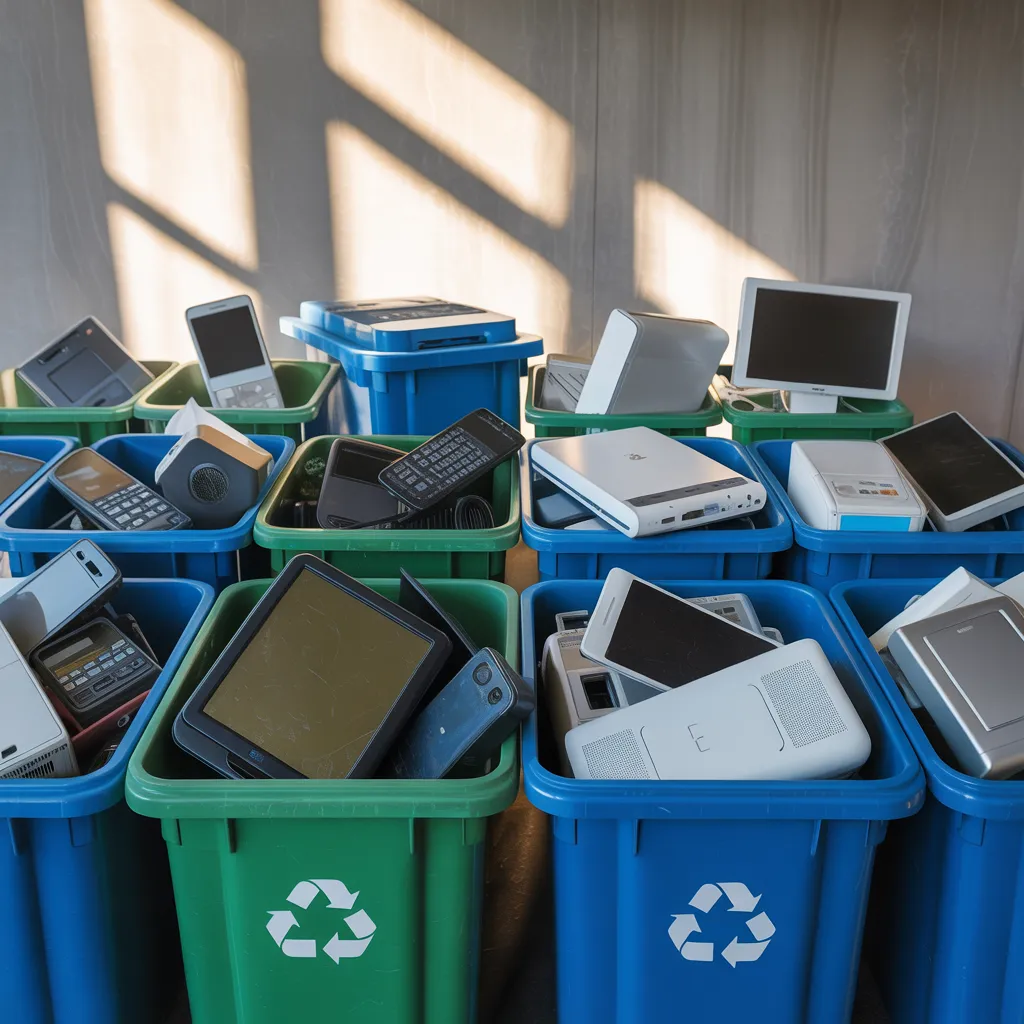
Why E-Waste Is Bad for the Planet
Even though technological advancements improve modern life, e-waste creates serious threats to the environment. Disposed electronic equipment, often containing toxic substances including lead, mercury, and cadmium, may release harmful substances into the surrounding soil and water supply, posing risks to ecosystems and human health. The accelerating rate of technological innovation results in increased consumer turnover of electronics, worsening the buildup of discarded electronic materials.
Landfills, already burdened with waste, struggle to accommodate the growing volumes of discarded gadgets. Incineration, another disposal method, releases harmful pollutants into the atmosphere, contributing to air quality degradation. Moreover, poor recycling procedures can cause e-waste to be sent to developing regions, where employees may disassemble electronics without sufficient safety precautions, leaving them vulnerable to harmful substances. This cycle of neglect and improper handling underscores the urgent need for sustainable recycling solutions that can mitigate the adverse effects of e-waste on the planet.
What Is E-Waste and Why Does It Matter?
E-waste, also referred to as electronic waste, encompasses obsolete electronic products such as smartphones, computers, and televisions that have exceeded their operational lifespan. This growing category of waste is significant because of its swift buildup, fueled by innovation in technology and shifting consumer habits. As more devices become obsolete, the ecological consequences become more pronounced, with dangerous elements including lead, mercury, and cadmium threatening both ecosystems and public health.
The significance of tackling e-waste extends beyond minimizing these risks to recognizing the valuable resources it holds. Valuable metals and rare earth materials can be extracted and repurposed, lessening the demand for mining Try it free and preserving natural resources. Through a deeper awareness of e-waste and its consequences, both individuals and organizations can make well-informed choices regarding disposal and recycling, thereby supporting a more sustainable future. Proper management of e-waste is essential for fostering a circular economy and promoting environmental stewardship.
How the E-Waste Recycling Process Works
E-waste recycling entails a structured approach designed to recover valuable materials while limiting ecological damage. To begin, discarded electronics are retrieved and sent to purpose-built recycling plants. Once there, the devices undergo thorough sorting to isolate dangerous parts from recoverable materials.
Subsequently, specialists dismantle the devices, removing glass, metals, and plastics. This process is vital, as it facilitates the extraction of high-value metals like copper, gold, and silver, which may be utilized in new electronics.
Following this, the divided materials are refined using advanced techniques, such as shredding and specialized chemical treatments, to prepare them for recycling.
Finally, the residual hazardous materials are disposed of responsibly, following eco-friendly standards. This comprehensive process not only preserves valuable resources but also reduces the dangers connected to irresponsible electronic waste disposal, ensuring a more sustainable future for electronic device usage.
Advantages of E-Waste Recycling for You and Your Community
Though many people are unaware, the positive effects of e-waste recycling go far beyond individual benefit and actively shape entire communities. By responsibly disposing of electronic waste, individuals help foster a cleaner environment, reducing hazardous materials that can seep into soil and water. This forward-thinking practice helps preserve local ecosystems and advances public health.
In addition, the recycling of e-waste encourages employment opportunities within local communities. Regional recycling centers frequently need staff for various operations, including collection and processing, thereby providing employment opportunities for community members. This not only stimulates the local economy but also inspires community dedication to sustainable efforts.
Furthermore, awareness of e-waste recycling can lead to learning opportunities, encouraging residents to adopt eco-friendly choices. By engaging with e-waste recycling programs, individuals foster a culture of sustainability, inspiring others to join the movement. All things considered, the cumulative impact of these actions can create a more resilient and environmentally responsible community.
A Guide to Selecting an E-Waste Recycling Service
Picking the best electronic waste recycling provider is crucial for ensuring that electronic waste is handled in a responsible and sustainable manner. To begin, consumers should verify the company's credentials, such as R2 and e-Stewards certifications, which demonstrate compliance with industry standards for responsible recycling methods. It's also important to examine the provider's standing by checking reviews and looking for recommendations from trusted sources.
Furthermore, clarity in the recycling process is essential. A reliable company should provide clear information about the manner in which e-waste is managed and what happens to the materials. Additionally, considering the scope of services provided can prove valuable; various firms may supply retrieval services or extend benefits for recycling.
Ultimately, familiarizing yourself with local guidelines related to e-waste disposal can additionally influence the choice of disposal method. Through focusing on these key aspects, individuals can contribute to efficient electronic waste handling while also advancing green and responsible behaviors.
How You Can Get Involved in E-Waste Recycling?
Participating in e-waste recycling can start at the local level, where community recycling hubs often provide essential services for safe disposal. Furthermore, participating in community awareness campaigns can enhance efforts to inform others regarding the importance of responsible e-waste management. Such efforts not only advance environmental sustainability but also foster a collective sense of accountability for the environment.
Community Recycling Locations
Many regional recycling hubs serve a vital function in recycling electronic waste, giving communities practical solutions to discard electronic waste in an eco-friendly way. These hubs welcome a variety of electronic devices, including outdated computers, mobile phones, and TVs, verifying that toxic materials are disposed of safely. The majority of facilities employ experienced team members who can guide individuals on proper disposal methods, stressing the significance of recycling instead of landfilling. In addition, many centers offer scheduled drop-off occasions or specific collection dates, making participation convenient for residents. By engaging with these local facilities, residents support a circular economy, minimizing ecological impact and fostering sustainable behaviors. Engaging with these centers encourages communities to fight e-waste pollution decisively.
Community Outreach Campaigns
Community groups, educational institutions, and companies can partner to arrange initiatives that encourage e-waste collection drives. Volunteers can play a pivotal role in raising awareness, sharing informational resources, and connecting with local residents. As a result of these combined actions, community members grow more knowledgeable and inspired to dispose of their electronics responsibly, thereby helping to build a greener and more sustainable tomorrow.
Frequently Asked Questions
What Types of Electronics Can Be Recycled?
Many different electronics may be recycled, including computers, smartphones, televisions, laptops, gaming consoles, and printers. Furthermore, ancillary devices such as batteries, keyboards, and mice are equally appropriate for recycling, promoting eco-friendly conservation initiatives.
Are There Any Costs Associated With E-Waste Recycling?
That's correct, e-waste recycling can include fees, subject to the service provider. Some service centers charge fees for gathering or treatment, while some providers offer free services, frequently supported by the resale of recovered materials.
What Are the Benefits of E-Waste Recycling for Businesses?
Businesses can benefit from e-waste recycling by reducing disposal costs, improving their green reputation, meeting compliance standards, recovering valuable materials, and potentially generating revenue through resale, ultimately contributing to a more sustainable operational strategy.
What Occurs with Data on Recycled Devices?
Details from refurbished devices is often permanently erased or obliterated during the refurbishment process. This confirms sensitive information stays protected, blocking unwanted intrusion while allowing resources to be recycled carefully and ethically across new manufacturing processes.
Is It Possible to Recycle Damaged Electronics?
Yes, defective electronics are able to be recycled. Several collection points receive broken devices, guaranteeing safe disposal and recovery of useful materials. Doing so helps lower environmental impact while promoting sustainable recycling habits to control electronic waste responsibly.