Green Initiatives: How E-Waste Recycling Services Are Protecting Our Planet
E-waste represents a considerable hazard to the environment, as abandoned electronic devices commonly carry harmful materials. These toxic materials have the potential to taint soil and water sources, resulting in widespread environmental harm. E-waste recycling services present a viable solution. They not only recover valuable resources but also mitigate pollution. Gaining insight into how these programs function and affect local communities is critical. Pursuing efficient e-waste management brings forth pressing questions regarding individual duties and shared responsibility. What measures can be pursued from this point onward?
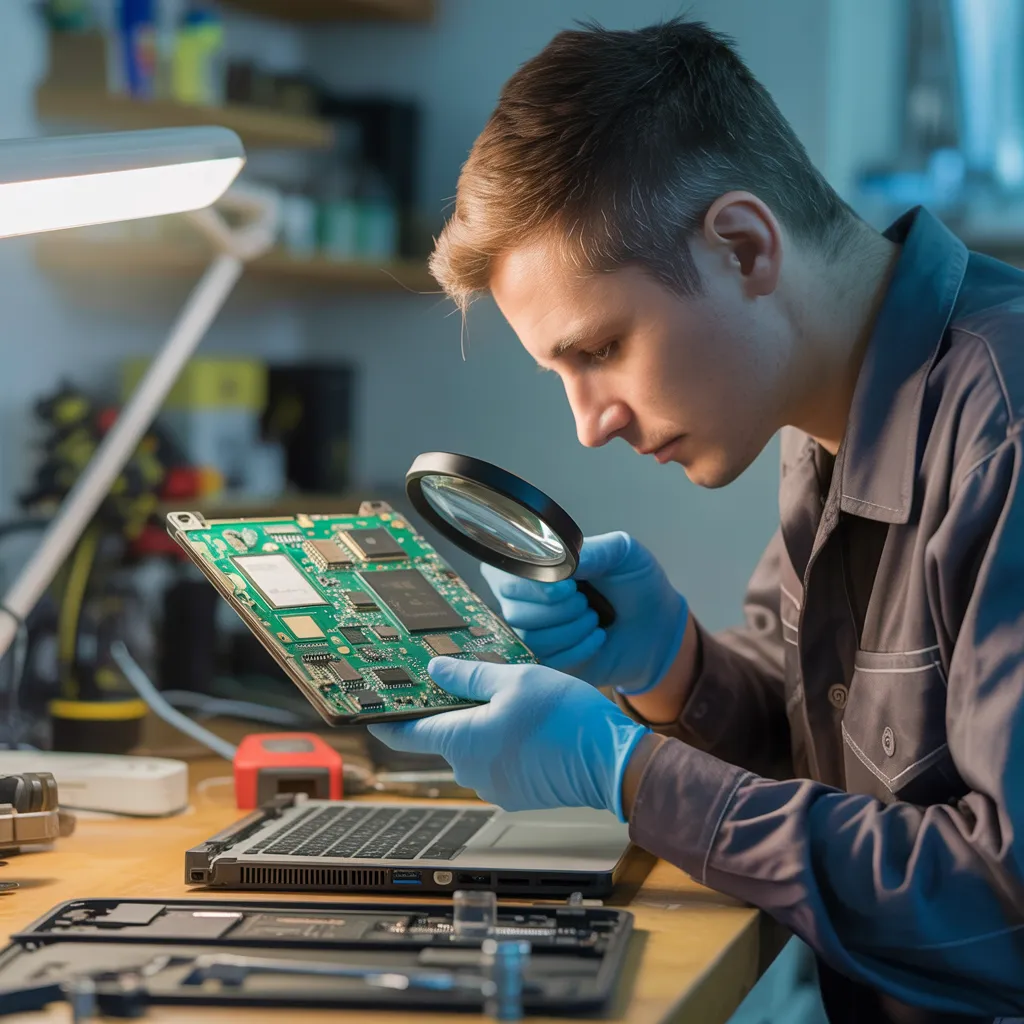
Why E-Waste Poses a Threat to the Planet
Even though technological advancements improve modern life, electronic waste presents considerable environmental hazards. Discarded electronic devices, frequently composed of toxic substances including mercury, lead, and cadmium, can leach toxins into soil and groundwater, creating hazards for human health and ecosystems. The rapid pace of technological advancement contributes to higher rates of electronics disposal among consumers, worsening the buildup of e-waste.
Landfills, already overwhelmed with refuse, find it difficult to handle the increasing amounts of discarded devices. Incineration, a common waste management technique, emits dangerous pollutants into the environment, degrading atmospheric conditions. Furthermore, inadequate recycling methods can result in the shipment of electronic waste to underdeveloped nations, where workers may break down equipment without proper protective measures, putting themselves at risk of exposure to hazardous materials. This pattern of negligence and mismanagement highlights the critical demand for eco-friendly recycling alternatives that can reduce the damaging impact of electronic waste on the environment.
What Is E-Waste and Its Importance?
Electronic waste, commonly known as e-waste, encompasses unwanted electronic equipment including smartphones, computers, and televisions that have exceeded their operational lifespan. This increasingly prevalent form of waste is important due to its rapid accumulation, propelled by advances in technology and evolving consumer behaviors. As growing numbers of electronics become outdated, the ecological consequences become more pronounced, with harmful substances like lead, mercury, and cadmium presenting serious hazards to the environment and human well-being.
The importance of addressing e-waste lies not only in mitigating these hazards but also in recognizing the valuable materials it contains. Valuable metals and rare earth materials can be extracted and repurposed, lessening the demand for mining and preserving natural resources. Through a deeper awareness of e-waste and its consequences, both individuals and organizations can make well-informed choices regarding disposal and recycling, thereby supporting a more sustainable future. Effective handling of e-waste is vital for encouraging a circular economy and advancing environmental responsibility.
How E-Waste Recycling Works
Recycling e-waste involves an organized procedure designed to recover valuable materials while minimizing environmental impact. Initially, electronic waste is gathered and delivered to specialized recycling facilities. After reaching the facility, the devices undergo thorough sorting to separate hazardous components from recyclable materials.
Following this, specialists break down the devices, separating metals, plastics, and glass. This phase is essential, as it makes possible the reclamation of rare metals like silver, gold, and copper, which can be reused in modern electronics.
Following this, the sorted materials are processed with cutting-edge techniques, such as shredding and chemical treatments, to prepare them for recycling.
In the final step, the residual hazardous materials are disposed of responsibly, adhering to eco-friendly standards. This systematic method not only conserves resources but also minimizes the hazards connected to improper e-waste disposal, ensuring a more sustainable future for electronic consumption.
The Benefits of E-Waste Recycling for You and Your Community
Though many people are unaware, the positive effects of e-waste recycling reach well past personal use to meaningfully influence entire communities. By carefully processing electronic waste, individuals contribute to a safer environment, minimizing harmful substances that can seep into soil and water. This proactive approach helps preserve local ecosystems and promotes public health.
In addition, e-waste recycling fosters employment opportunities within local communities. Nearby recycling establishments regularly need employees for a range of functions, from collection to processing, thereby providing employment opportunities to area workers. This not only enhances the community economy but also promotes community participation in sustainable initiatives.
In addition, awareness of e-waste recycling has the potential to generate learning opportunities, encouraging residents to adopt eco-friendly choices. By enrolling in e-waste recycling programs, individuals nurture a culture of sustainability, prompting others to do the same. Ultimately, the cumulative impact of these actions can create a more strong and environmentally aware community.
A Guide to Selecting an E-Waste Recycling Service
Picking the right e-waste recycling service is crucial for ensuring that electronic waste is managed with responsibility and sustainability. Initially, people should verify the service's credentials, such as e-Stewards or R2, which indicate compliance with established benchmarks for safe recycling practices. It's also important to evaluate the company's standing by checking reviews and looking for referrals from reliable sources.
Furthermore, openness in the recycling process is crucial. A trustworthy company should supply straightforward details about the way e-waste is handled and what happens to the materials. Additionally, evaluating the range of services offered can be beneficial; various firms may supply retrieval services or extend benefits for recycling.
Finally, learning about area-specific requirements for e-waste disposal can additionally influence the selection process. By prioritizing these factors, residents can actively participate in efficient electronic waste handling alongside encouraging sustainable environmental efforts.
Ways You Can Participate in E-Waste Recycling?
Engaging in e-waste recycling may begin at the local level, where recycling centers frequently offer essential services for safe disposal. Additionally, participating in community awareness campaigns can amplify efforts to inform others regarding the importance of proper e-waste handling. These initiatives not only promote sustainability but also cultivate a collective sense of responsibility toward the environment.
Nearby Recycling Facilities
A wide range of community recycling facilities fulfill a critical purpose in e-waste recycling, supplying communities with reliable ways to manage electronic waste appropriately. These stations receive a range of digital devices, including outdated Read this computers, mobile phones, and TVs, guaranteeing that dangerous substances are processed safely. Many hubs feature experienced team members who are able to assist individuals with correct disposal techniques, stressing the significance of recycling instead of landfilling. Furthermore, several stations organize drop-off events or designated collection days, enabling residents to engage without difficulty. By utilizing these local services, individuals contribute to a circular economy, decreasing environmental damage and advancing sustainable approaches. Partnering with these facilities allows communities to address e-waste pollution proactively.
Public Awareness Initiatives
Nearby organizations, schools, and enterprises can collaborate to host events that promote e-waste collection drives. Volunteers can play a pivotal role in raising awareness, sharing informational resources, and connecting with local residents. By means of these joint initiatives, residents become more informed and motivated to recycle their electronic waste, thereby helping to build a greener and more sustainable tomorrow.
Frequently Asked Questions
What Kinds of Electronics Can Be Recycled?
Various electronics can be recycled, including laptops, televisions, smartphones, printers, computers, and gaming consoles. In addition, ancillary devices such as batteries, keyboards, and mice are well-suited for recycling, aiding in sustainable environmental practices.
Are There Fees Involved With E-Waste Recycling?
Yes, electronic waste recycling sometimes comes with fees, depending on the provider. Some facilities apply costs for gathering or treatment, while others make services available at no charge, frequently supported by the resale of recovered materials.
How Can Businesses Benefit From E-Waste Recycling?
Companies can take advantage of e-waste recycling by lowering disposal expenses, strengthening their ecological standing, meeting compliance standards, extracting valuable resources, and creating potential earnings via resale, thus supporting a greener and more sustainable operational framework.
What Occurs with Data on Recycled Devices?
Data from repurposed equipment is frequently permanently erased or obliterated during the refurbishment process. This confirms sensitive information stays protected, blocking unwanted intrusion while enabling components to be recycled safely and responsibly in new products.
Can I Recycle Broken Electronics?
Yes, defective electronics are able to be recycled. A wide range of centers receive damaged devices, providing responsible disposal and recovery of recoverable materials. This helps reduce environmental impact while encouraging sustainable recycling habits to control electronic waste efficiently.